
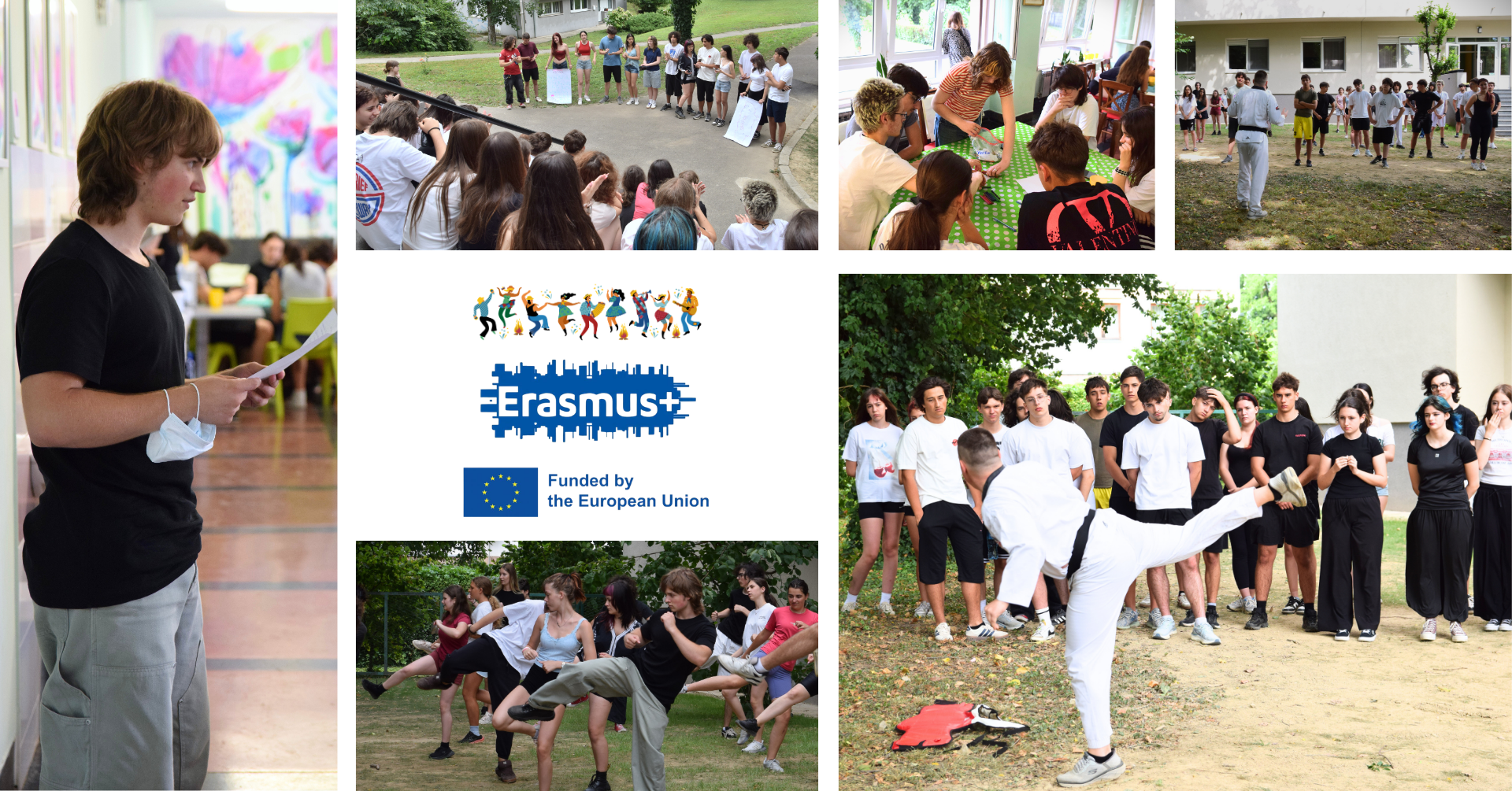
From June 30 to July 7, 2026, Zagreb hosted the Erasmus+ youth exchange “Fight for Inclusion: Taekwondo as a Tool for Social Change.” The project brought together more than 60 young people from different European countries with the aim of promoting inclusion, strengthening youth participation, and showing how sport can be used as a powerful tool for social change.
The project was coordinated by Taekwondo Club Maksimir from Croatia, in cooperation with partner organisations AzBuki from Serbia and Asociația Babilon Travel from Romania. The project was funded by the European Union.
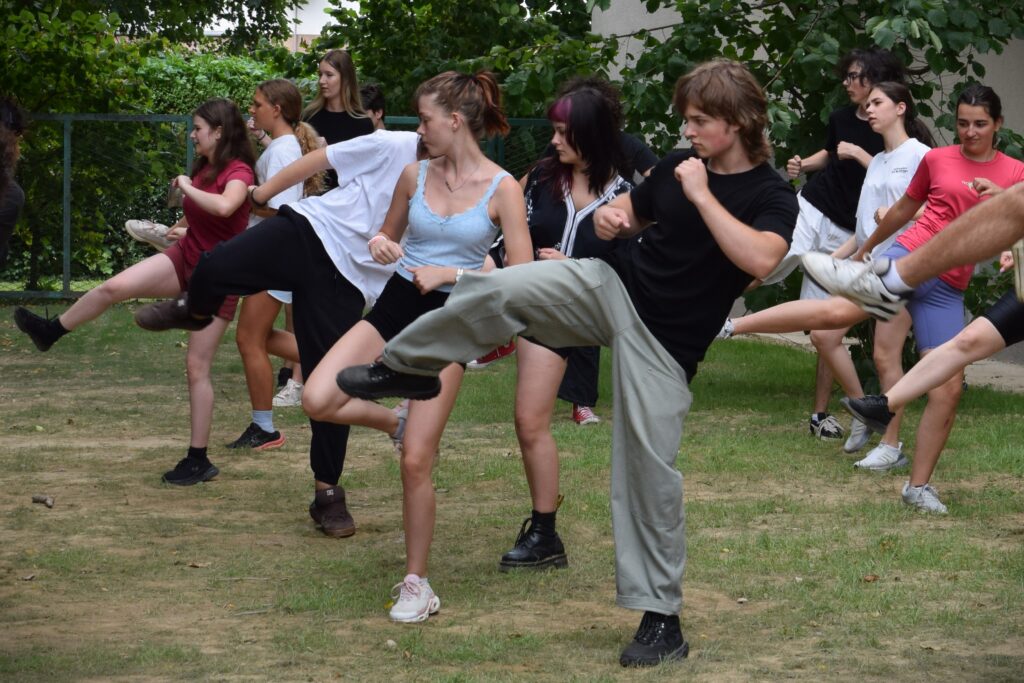
During 8 days of activities, participants explored how Taekwondo and non-formal education can support personal development, intercultural learning, and social inclusion. Through practical training sessions, group work, workshops, reflection activities, and intercultural exchange, young people developed new skills, shared their experiences, challenged stereotypes, and learned how sport can create a safe and supportive space for everyone.
The project placed a strong focus on the active participation of young people with fewer opportunities, including participants with disabilities. All participants were encouraged to take part equally, contribute with their ideas, support one another, and become active members of the learning process.
Main Results of the Project
The project successfully created an inclusive and supportive learning environment for more than 60 young people from different backgrounds and countries.
A diverse programme of activities was delivered, including Taekwondo training, non-formal education workshops, team-building activities, intercultural learning, and daily reflection sessions.
Participants strengthened important personal and social competences, including confidence, communication, teamwork, leadership, problem-solving, respect, solidarity, and openness toward others.
The project promoted the idea that sport is not only a physical activity, but also a tool for inclusion, wellbeing, intercultural dialogue, and active participation in society.
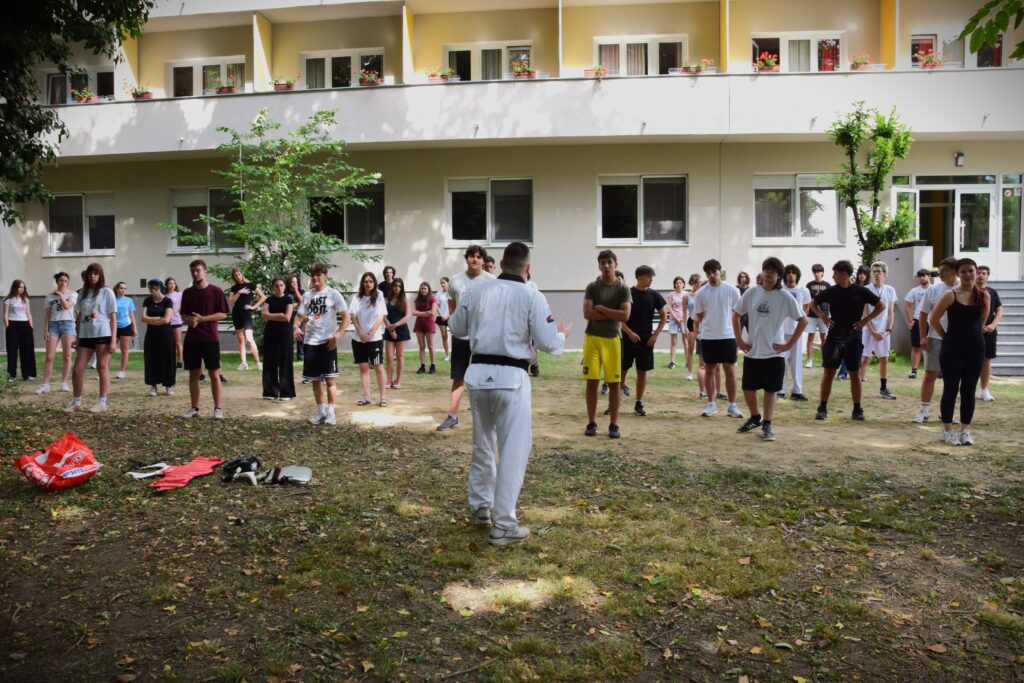
Young people with fewer opportunities were actively involved throughout the project and had the opportunity to participate, learn, express themselves, and contribute to the group process on equal terms.
A public dissemination event was organised, where local citizens had the opportunity to experience inclusive Taekwondo activities and learn more about the Erasmus+ Programme and its opportunities for young people.
The project produced photos, videos, and online materials that will help share the results of the exchange and inspire future initiatives focused on inclusion through sport. You can access our digital gallery with the following link: https://drive.google.com/drive/folders/1xttCEYIwoYzVEK6I7dk_gJiIa9DonJU7?usp=sharing
All participants received Youthpass certificates, recognising their learning outcomes and the competences they developed during the youth exchange.
Activities and Learning Process
Throughout the programme, participants learned through experience, movement, discussion, and teamwork. Taekwondo sessions were used as a practical method for building discipline, self-confidence, respect, and cooperation. At the same time, workshops and reflection activities helped participants connect these experiences with wider topics such as inclusion, equality, active citizenship, and community participation.
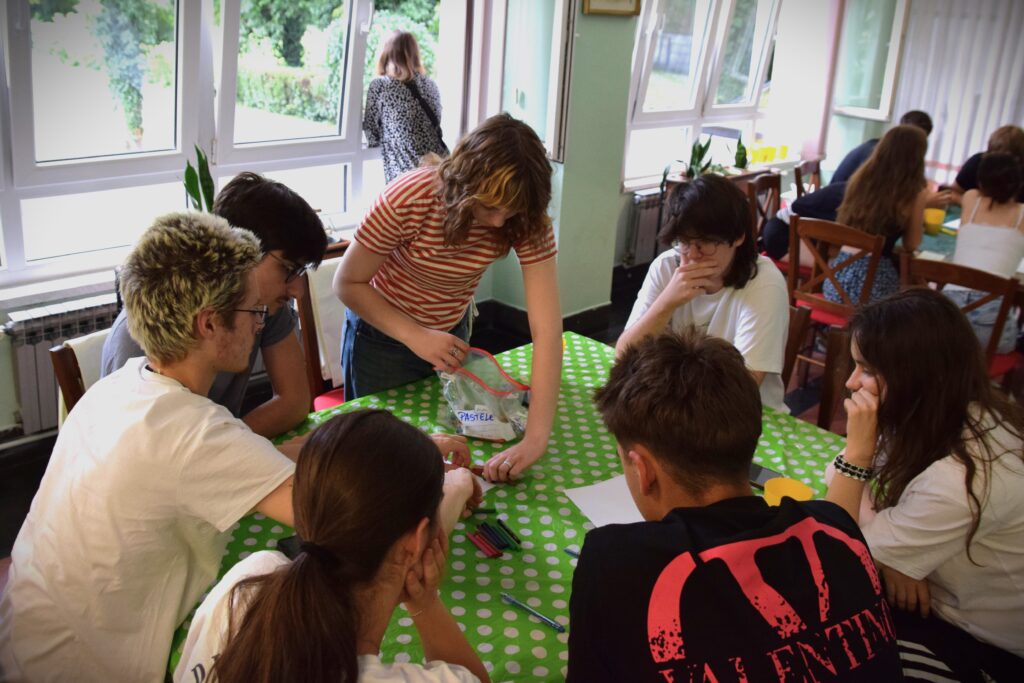
The intercultural dimension of the project also played an important role. Young people from Croatia, Serbia, and Romania had the opportunity to learn about each other’s cultures, share perspectives, and build friendships across borders. This created a strong sense of European connection and mutual understanding.
Impact of the Project
The greatest achievement of “Fight for Inclusion: Taekwondo as a Tool for Social Change” was the creation of a space where young people from different cultures and backgrounds could train, learn, and grow together. The project showed that Taekwondo is much more than a martial art. It can be a meaningful educational tool that helps young people build confidence, develop respect for others, and understand the importance of inclusion in everyday life.
Participants left the project with new friendships, stronger self-confidence, improved communication skills, and a better understanding of how sport can be used to support social inclusion and positive change in local communities.
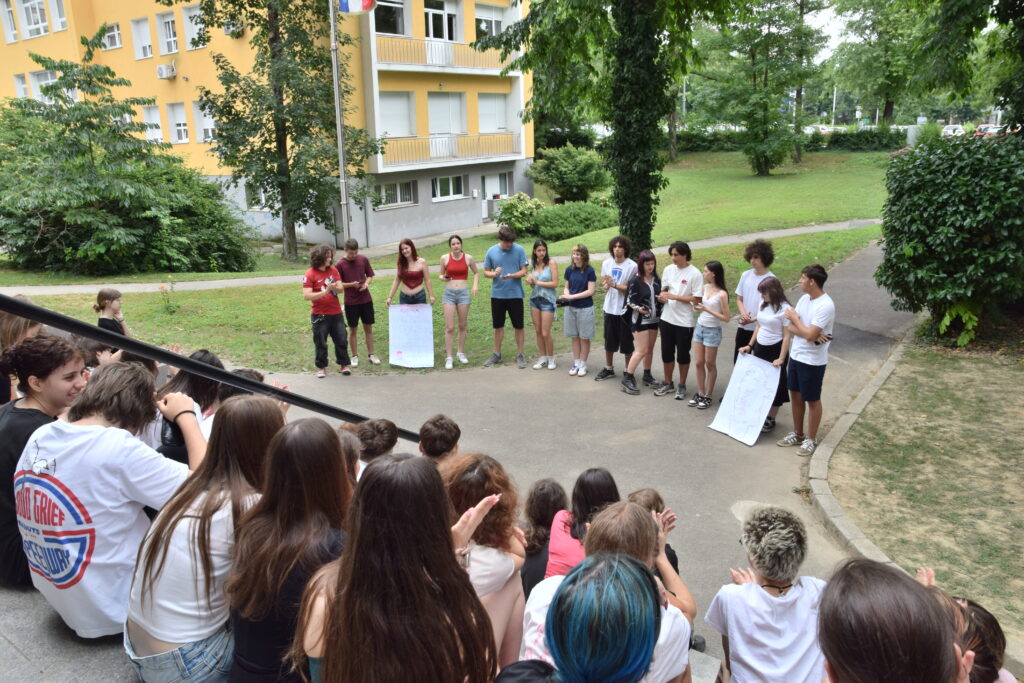
We would like to thank all participants, partner organisations, trainers, volunteers, and everyone who contributed to making this Erasmus+ youth exchange a meaningful and unforgettable experience.
Together, we showed that inclusion begins with participation, respect, and the willingness to learn from one another.